
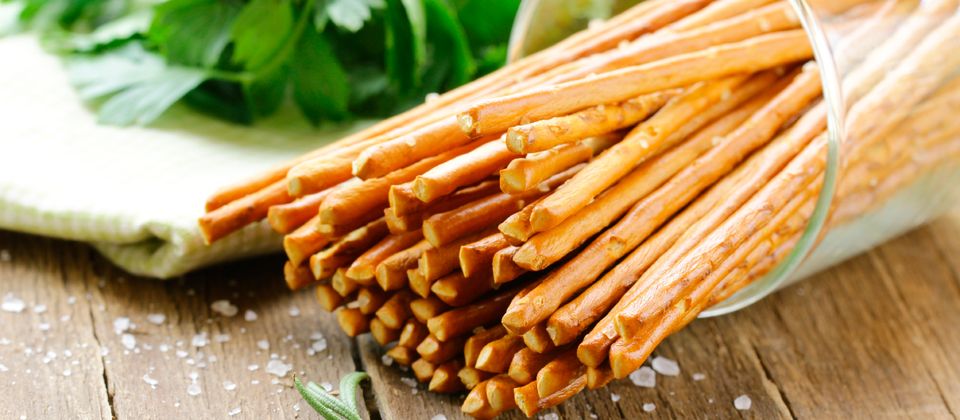
Biscuits apéritif
Les biscuits apéritif sont des en-cas croquants et croustillants, ayant un tableau nutritionnel variable selon les ingrédients utilisés. Les biscuits apéritif au blé entier, par exemple, possèdent plus de calories et une valeur nutritionnelle plus importante que les biscuits apéritif fabriqués à partir de farine traitée. La valeur nutritionnelle des biscuits apéritif provient principalement de leur teneur en fibres qui varie selon le nombre de calories venant de glucides. Reportez-vous au tableau des calories et à l'étiquette nutritionnelle ci-dessous pour connaître les calories et la valeur nutritionnelle de vos biscuits apéritif préférés.
Aliments courants
Classés par marque
Divers(29)



Calculatrices




Crackers & breadsticks are typically made from grain-based flour or dough, baked into round or elongated crisps. The calorie counter for crackers & breadsticks will show that these foods contain a significant amount of carbs as well as various vitamins and minerals.
Fiber Content
Many crackers & breadsticks offer significant dietary fiber – especially crackers & breadsticks made with whole grains. Fiber is essential for healthy digestion because it helps promote the movement of food through your digestive tract – this is important for individuals suffering from constipation or irregularity. Dietary fiber can also help to lower cholesterol, stabilize blood sugar levels, and maintain bowel health.Sodium Content
One thing to be wary of when consuming crackers & breadsticks is the sodium content – many snack foods are high in sodium which can have a negative impact on your health. Too much sodium in the diet can lead to high blood pressure (hypertension) and an increased risk for heart disease. Refer to the calorie calculator for your favorite crackers & breadsticks to determine the sodium content.Crackers & breadsticks vary greatly in nutritional value according to the type of ingredients used. For the most part, crackers & breadsticks are low in fat, high in carbs, and provide a moderate amount of protein depending on the type of flour used.